Latest at Bioclimatic
Stay informed of all developments and possibilities regarding UVC disinfection and ionization

Stay informed of all developments and possibilities regarding UVC disinfection and ionization
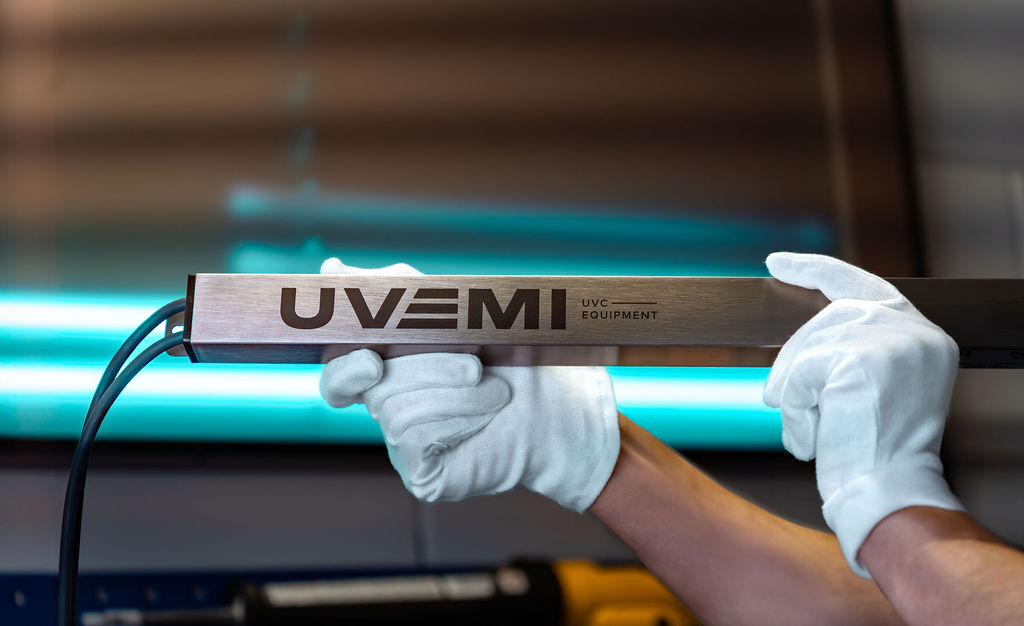
We are proud to introduce UVEMI, our dedicated brand of UVC equipment.
At Bioclimatic B.V., we have been developing and integrating industrial disinfection systems based on UVC and ionisation technology for more than 20 years. Over the years, we have gained extensive experience worldwide across a wide range of demanding industrial environments.
Over the years, one thing became clear: existing UVC equipment often fell short in flexibility, durability, integration possibilities and long-term reliability. Rather than accepting these limitations or adapting standard products, we set out to engineer a new generation of UVC equipment specifically for industries where performance cannot be compromised.
And so, UVEMI was born.

What makes custom-built solutions so interesting? The challenge and the solution. Developing a custom UVC-solution involves much more than simply selecting the right lamps. From limited installation space to moving components and strict safety requirements, every project presents its own unique technical challenges.
"No two projects are the same," says Pascal, Project Engineer at Bioclimatic. "We always start by understanding the customer's situation. Only then can we determine what the right solution should look like."

From July 1, 2026, European requirements regarding Listeria monocytogenes in ready-to-eat products will become stricter. For food producers, this means there will be a greater emphasis on demonstrably controlling contamination risks throughout the entire shelf life of a product..
Especially in ready-to-eat products such as cold-smoked fish, soft cheeses, sliced meats, salads and other directly consumable products, Listeria is an important concern within food safety

For a client in the high-tech industry, Bioclimatic developed a custom-built air treatment unit that uses photo-oxidation — a combination of UVC light, ozone, and activated carbon as a catalyst — to remove volatile organic compounds (VOCs) from the airflow. This technique is particularly effective for breaking down certain organic compounds and eliminating odours.
Listeria: every quality manager’s worst nightmare.
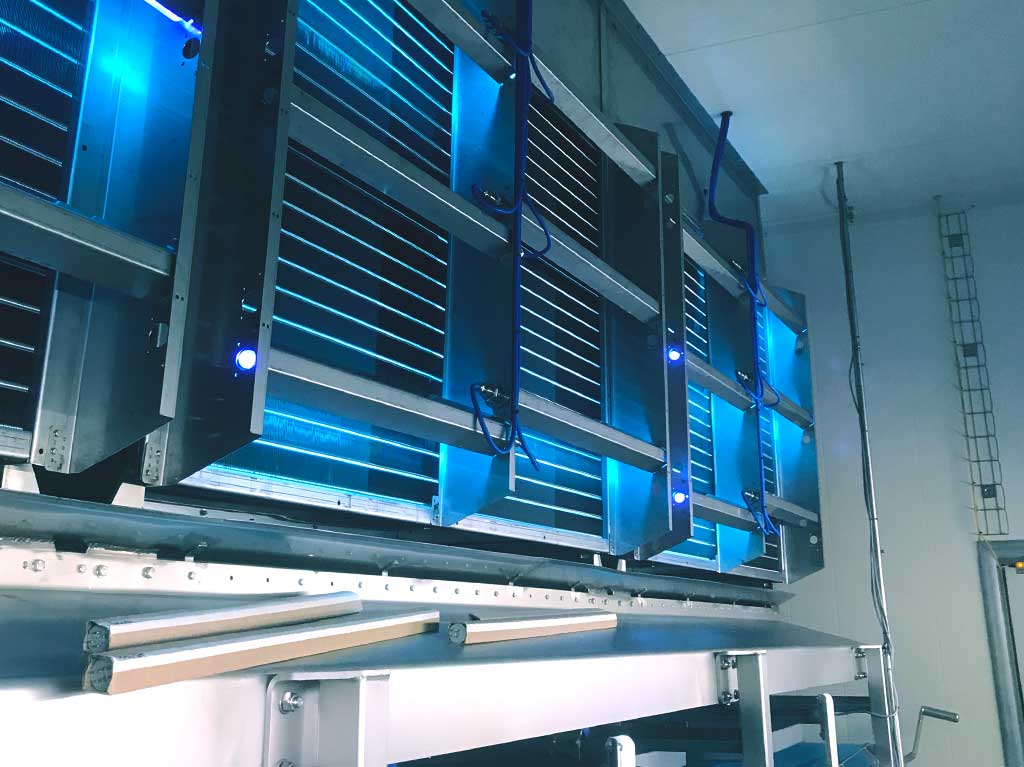
For one of our clients producing plant-based meat alternatives, this risk was taken seriously. Evaporators in cooling rooms are notorious for being difficult to clean and a potential breeding ground for bacteria. Traditional high-pressure cleaning wasn’t an option, as it could have spread contamination further.

For a leading bakery, we developed a bespoke UVC disinfection unit designed to maintain a hygienic environment by keeping the spiral conveyor belt free from bacteria and mold. This spiral cooling tower rapidly lowers the temperature of bakery products to the desired level, ensuring optimal freshness and quality while operating continuously 24/7

